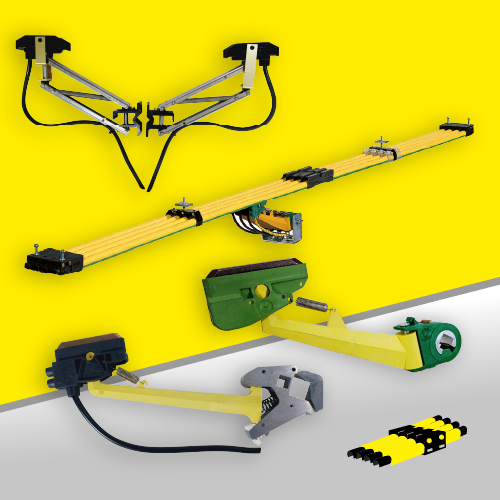
Down Shop Track Systems for Industrial Cranes and Material Handling
Supply moving equipment with power throughout its travel with Powermite’s down shop track systems. Designed for industrial power distribution, these systems support the electrical supply needs of cranes, workshops, and material handling machinery. The right conductor rail arrangement brings together dependable current collection, suitable capacity, and a layout matched to your operation.
When a crane moves along a workshop or production bay, its power supply needs to move with it. A properly specified down shop system provides a fixed electrical distribution route from which the travelling equipment collects power.
We understand that selecting this system means considering the whole application. The equipment’s electrical demand, travel distance, working environment, and maintenance requirements all matter when planning for dependable performance.
Durable Down Shop Conductor Rails for Reliable Crane Power
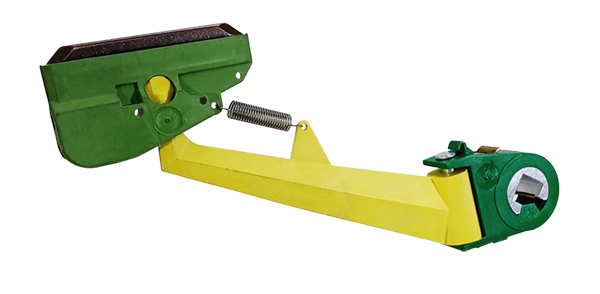
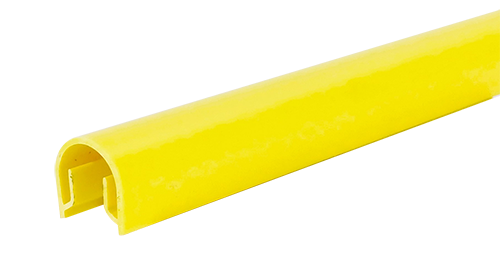
Down shop conductor rails provide an established method of supplying electricity to moving industrial equipment. The rails run along the required travel route, while current collectors attached to the moving equipment maintain sliding contact with the conductors.
This arrangement transfers power from a stationary supply to a moving machine. On an overhead crane installation, it can provide the electrical supply along the crane runway as the bridge travels through the building.
Durability depends on more than the conductor itself. Rail supports, connections, collectors, and protective components must suit the application and work together as a complete system. Correct selection and alignment help maintain consistent contact during movement.
Our down shop track systems offering addresses this essential part of crane electrification, with product suitability assessed against the demands of the installation.
Efficient Power Distribution for Workshops and Moving Machinery
A workshop crane may handle materials between workstations, support assembly operations, or move components through a production area. Wherever that equipment travels, a dependable electrical supply is part of keeping work moving.
A conductor rail system places the power distribution route alongside the machine’s travel path. This can be useful where the layout calls for a fixed rail arrangement rather than suspended cable loops along that axis of movement.
For a complete crane installation, different supply methods may serve different movements. For example, the runway supply and the trolley supply should each be considered according to their own requirements. Selecting a down shop track systems is therefore part of planning the overall electrification arrangement.
The aim is straightforward: provide an appropriate power supply throughout the intended travel while making sensible use of the available installation space.
Specify the System Around Your Equipment
The most useful starting point is a clear understanding of what the equipment needs to do. Down shop track systems should be selected against actual operating requirements, rather than rail length alone.
Electrical Demand
The system must suit the equipment’s voltage and current requirements. Where several machines share a supply route, the assessment should also account for how they operate together. Starting conditions and expected duty are relevant to the electrical design.
Runway Length and Layout
Travel distance affects the overall arrangement. The design also needs to account for the available mounting space, structural layout, and access requirements. On longer installations, electrical performance across the full route needs particular consideration.
Operating Environment
An indoor fabrication workshop has different conditions from an installation exposed to moisture, airborne contamination, or significant temperature changes. These conditions influence the suitability of the conductor system, its insulation or enclosure, and its associated components.
Movement and Duty
Travel speed, operating frequency, and the machine’s movement characteristics affect the demands placed on current collection. Equipment used occasionally and machinery operating through repeated production cycles may require different solutions.
Future Requirements
A planned extension or additional crane can change the required capacity and layout. Discussing foreseeable changes at the specification stage helps establish whether the proposed arrangement can accommodate them, or whether further engineering would be needed.
A Complete Approach to Crane Electrification
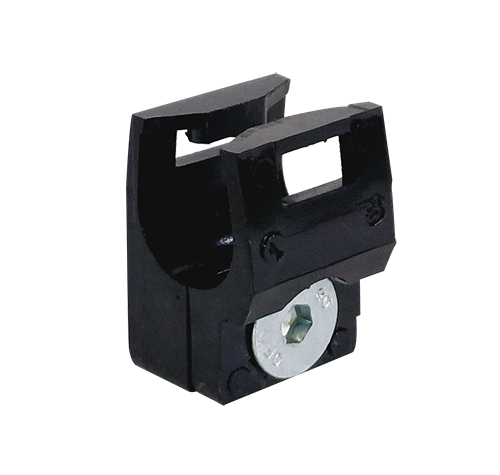
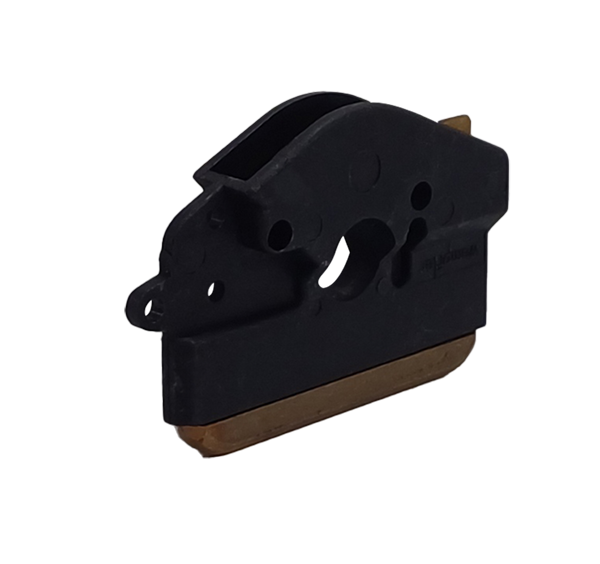
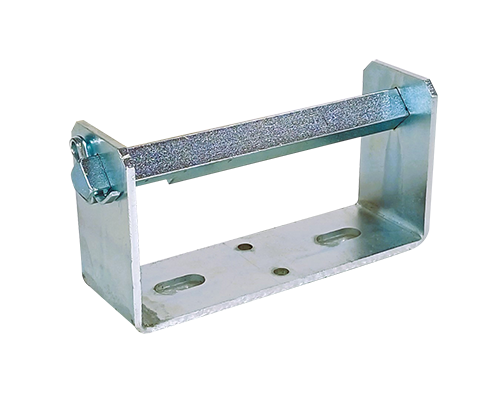
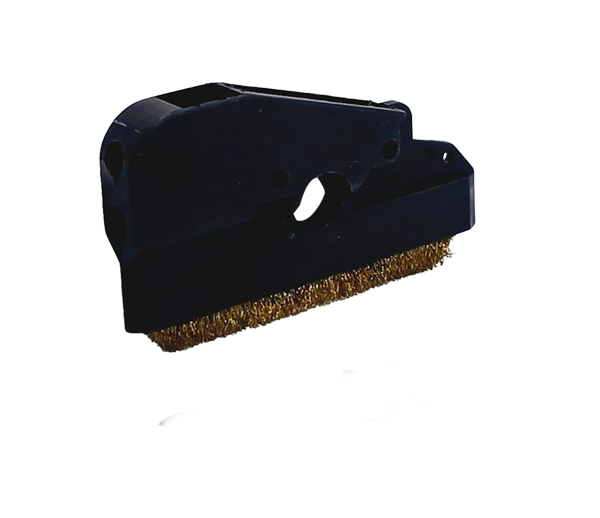
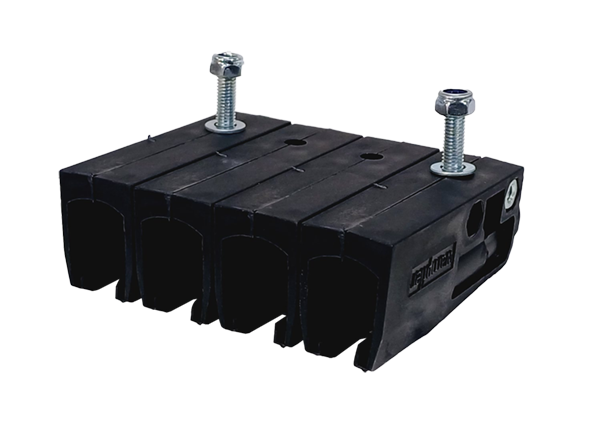
A conductor rail installation relies on several components performing their roles together. Depending on the selected system, these may include conductor sections, current collectors, power feeds, joining components, supports, and end protection.
Compatibility is essential. Components that look similar are not necessarily interchangeable, particularly when replacing parts in an existing installation. The conductor profile, collector design, electrical rating, and mounting arrangement all need to correspond with the specified system.
When discussing a project with us, provide details of the existing equipment where available. Drawings, component references, and operating requirements help establish what needs to be reviewed before a product is selected.
For a new project, considering the electrical distribution system early allows it to be coordinated with the crane runway and surrounding building services.
Plan for Reliability Throughout the System’s Service Life
Reliable crane power is a long-term consideration. A system needs to remain suitable as components wear, operating patterns change, and maintenance work becomes necessary.
Current collectors and contact surfaces are working parts of the installation. Their condition, together with the condition of supports, joints, and protective components, should form part of a maintenance programme carried out by appropriately qualified personnel.
Good access also matters. An installation that allows practical inspection and planned component replacement is easier to maintain over its working life. These requirements deserve attention during the initial design, rather than only when a fault occurs.
For businesses reviewing existing down shop track systems, recurring interruptions should prompt an assessment of the complete arrangement. Replacing one component may not address an underlying issue with compatibility, alignment, operating conditions, or changed equipment demand.
Power Distribution for South African Industrial Operations
South African workshops and industrial facilities operate across a wide range of conditions. Production demands, building layouts, and environmental exposure vary from one site to another, making application-specific selection important.
Powermite’s focus is on discussing your requirements in practical terms: what machinery needs power, where it travels, how it operates, and what conditions the system must accommodate.
Whether the project involves a new crane runway, a workshop upgrade, or replacement components, clear specifications provide the basis for selecting an appropriate solution.
Discuss Your Down Shop Track Systems Requirements with Powermite
Bring the power supply into your planning from the start. Our down shop track systems offering supports industrial projects where moving equipment needs a dependable connection to a fixed electrical distribution route.
Contact our team with your equipment type, runway length, electrical requirements, and operating conditions. For an existing installation, include the system identification and available component details so that compatibility can be reviewed.
Speak to Powermite about down shop conductor rails and request a quotation for your crane, workshop, or material handling application.