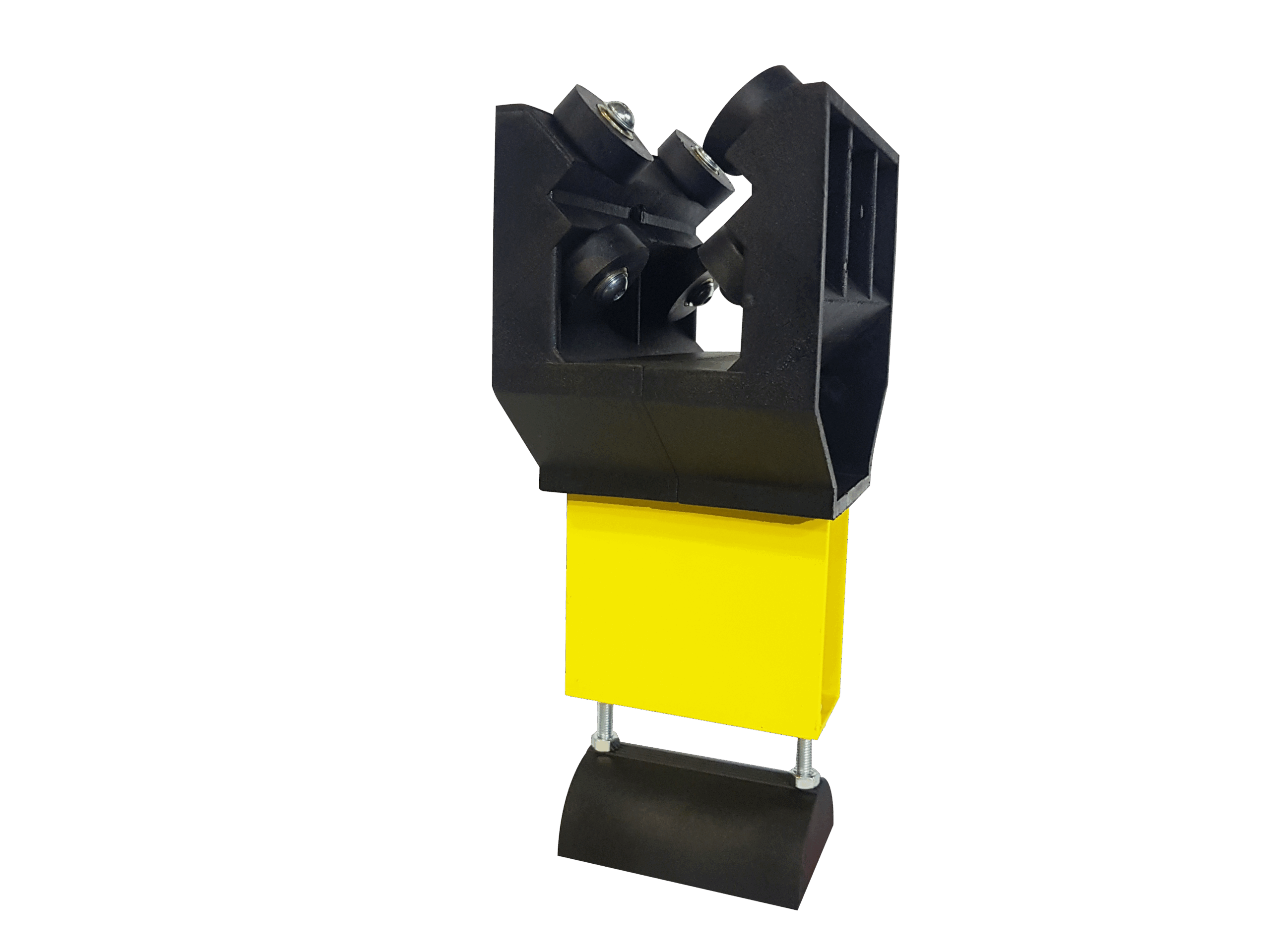
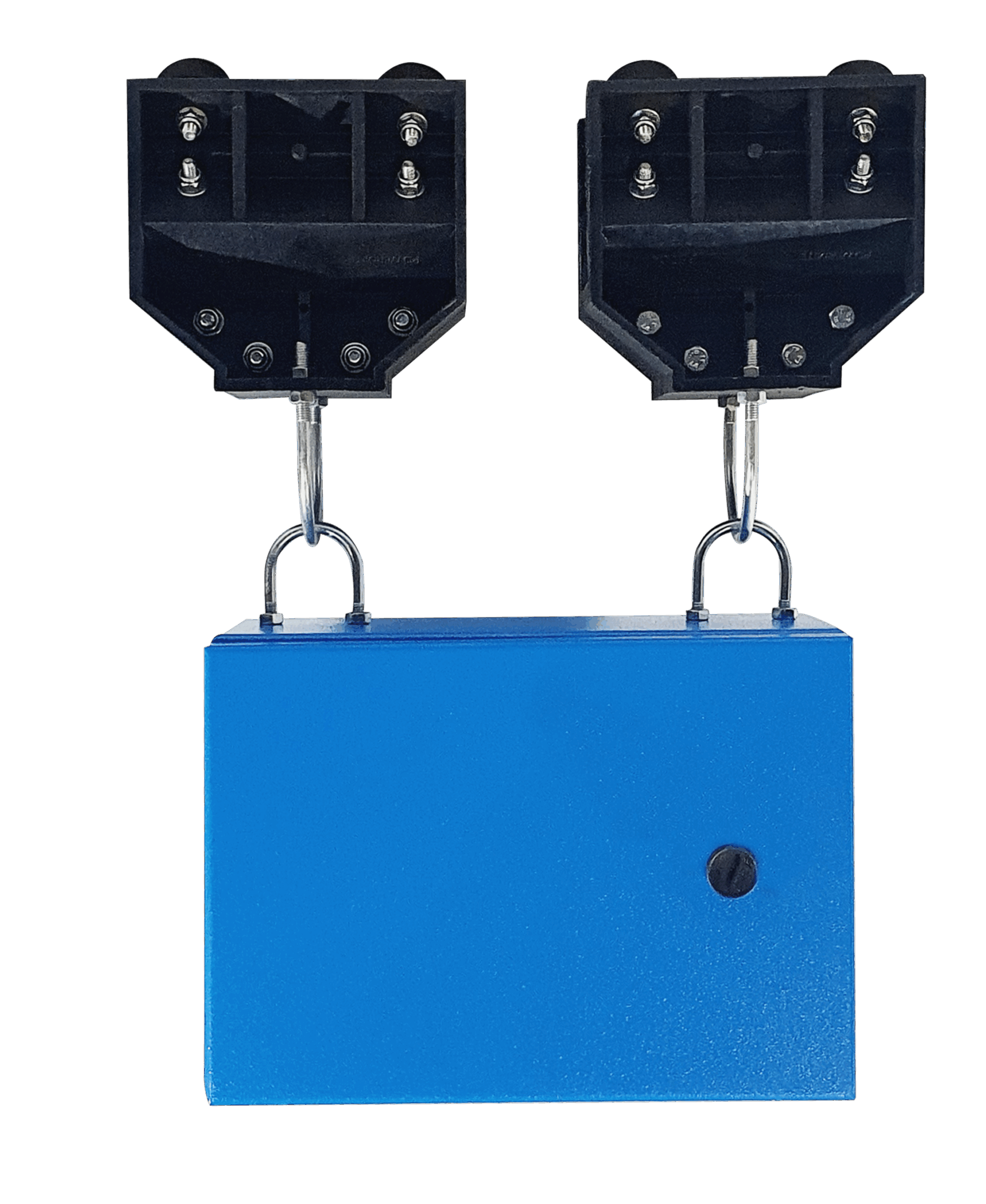
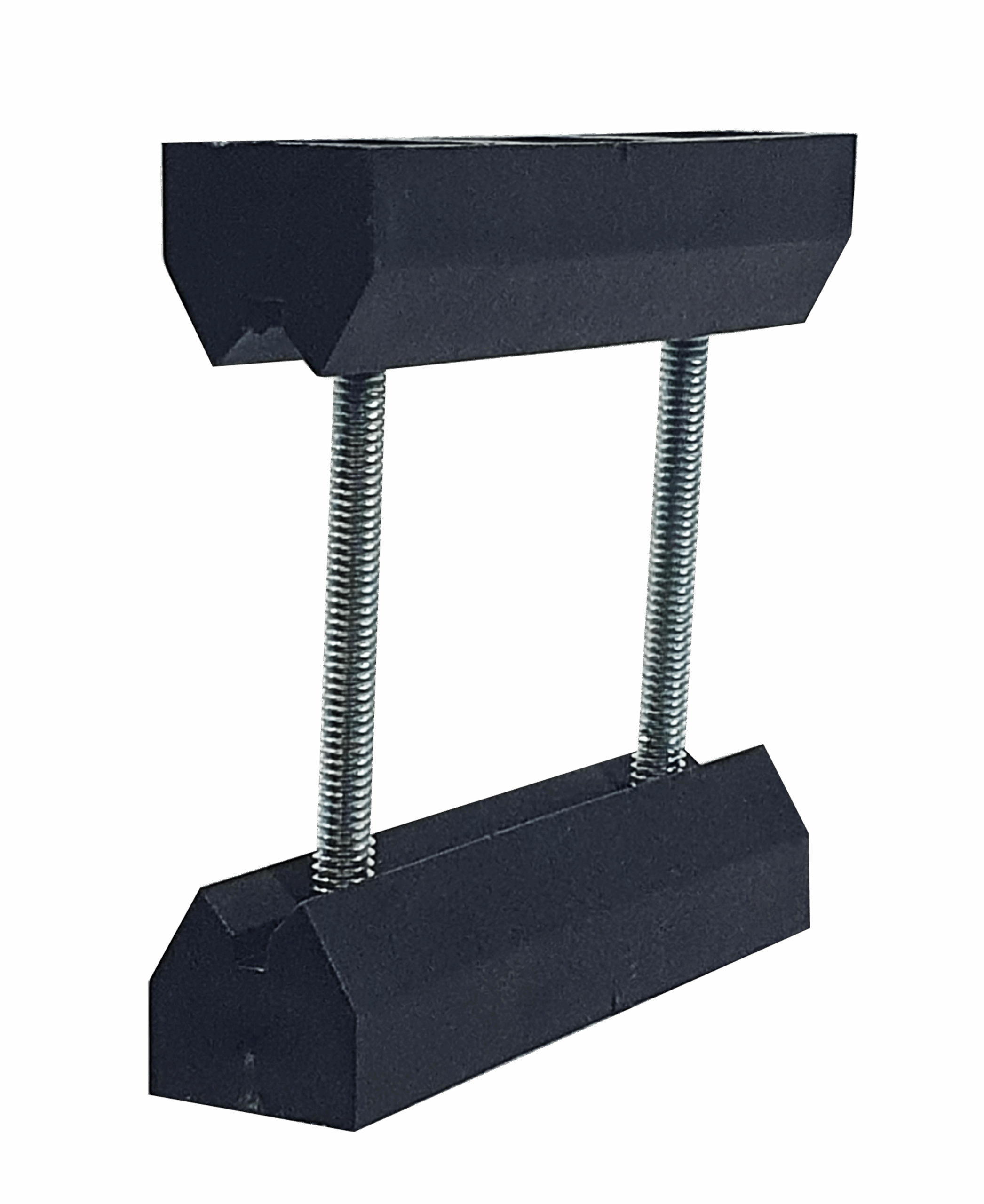
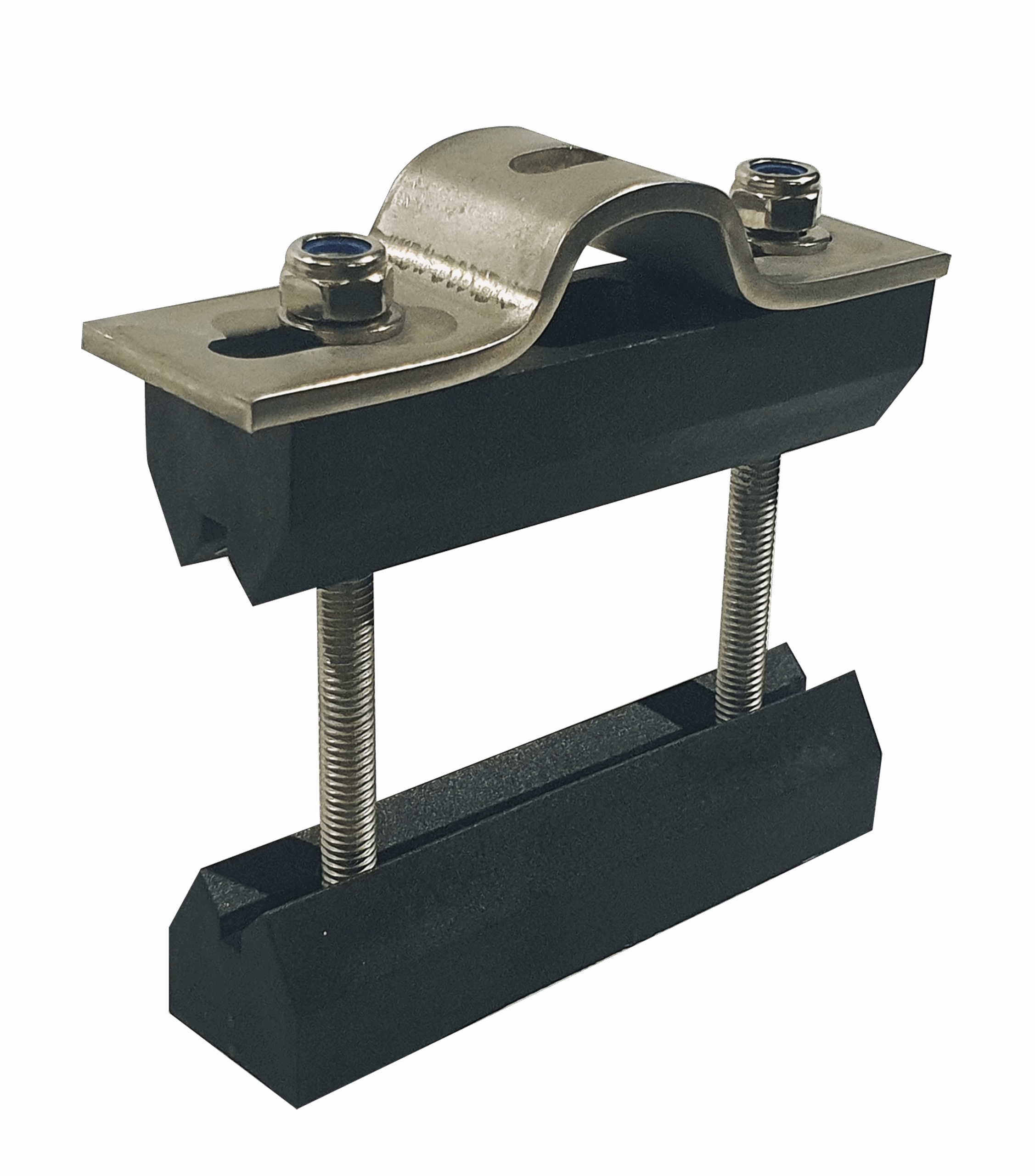
Diamond Track Festoon Systems for Industrial Cranes and Material Handling
Keep moving equipment supplied with power while giving its cables the support they need. Powermite supplies diamond track festoon systems for industrial cable management, with a focus on strength, stability, and lasting performance. A correctly specified system helps protect moving cables and supports dependable crane and material handling operation.
From a new equipment project to the replacement of an existing festoon arrangement, choosing suitable cable carriers is an important part of planning for reliability. The track, carriers, cables, and supporting components must work together throughout the equipment’s travel.
Our diamond track festoon systems form part of our wider material handling offering, helping South African businesses address the practical demands of supplying moving machinery.
Durable Diamond Track Cable Carriers for Reliable Crane Operation
Industrial cranes depend on more than lifting capacity. Their moving power and control cables also need a properly supported route as the equipment travels, stops, and changes direction.
Diamond track cable carriers provide a guided means of supporting these cables. In a festoon arrangement, cables hang in loops between travelling carriers, extending and gathering as the equipment moves. This keeps the cable package organised while accommodating the required movement.
Our diamond track festoon systems offer a robust approach to this task. Their diamond or square-rail arrangement is designed to help limit dirt build-up and dust accumulation, making this design worth considering where airborne particles are a concern.
Reliable performance still depends on the complete installation. Suitable cable selection, correct carrier loading, and an appropriate layout all contribute to an arrangement that meets the machine’s operating requirements.
Cable Management Built Around Your Application
No two material handling installations face exactly the same conditions. A crane operating inside a production building may have different requirements from equipment exposed to dust, moisture, or changing outdoor conditions.
Therefore, specifying diamond track festoon systems starts with the application. The cable package, travel distance, operating duty, and available installation space should all inform the selection.
Key considerations include:
- Cable weight and dimensions: The carriers must suit the complete cable package they will support.
- Travel requirements: The arrangement must accommodate the machine’s movement and the space needed when the festoon gathers.
- Operating conditions: Dust, moisture, temperature, and corrosive exposure can affect component suitability.
- Movement characteristics: Travel speed, acceleration, and operating frequency influence system requirements.
- Cable flexibility: Cables must be suitable for the repeated movement and bending involved in the application.
- Access for maintenance: The layout should allow qualified personnel to inspect and maintain the system.
Considering these details early helps avoid selecting components that fit individually but do not work effectively as a complete assembly.
Why Stable Cable Support Matters
A cable management system is a working part of the machine. Its performance affects how consistently the cable package follows the equipment through repeated operating cycles.
Organised Cable Movement
Guided carriers give suspended cables a defined travel arrangement. When properly specified, the system helps manage the cable loops as they extend and collect, reducing the likelihood of uncontrolled movement or interference with surrounding structures.
Protection Against Avoidable Cable Stress
Supporting cables appropriately helps limit unnecessary strain. Carrier selection and cable loop geometry should account for the cable manufacturer’s bending requirements and the demands of the moving equipment.
Support for Equipment Availability
A damaged cable or worn carrier can interrupt a much larger process. Giving cable management proper attention during equipment specification and maintenance helps address potential sources of disruption before they affect production.
Long-Term Serviceability
Durability includes the ability to inspect components, recognise wear, and plan replacements. A well-considered festoon arrangement supports maintenance planning throughout the equipment’s working life.
Considering Diamond Track for Industrial Environments
Dust and debris are practical concerns in many South African industrial settings. Material handling equipment may operate close to production processes, stockpiles, or areas where particles are regularly disturbed.
The dirt-limiting design of diamond track provides a useful feature to consider in these conditions. It doesn’t remove the need for inspection or cleaning, but it makes track design part of the discussion when selecting a suitable cable support system.
For crane and material handling projects, suitability should always be confirmed against the actual operating environment. Outdoor exposure, aggressive contaminants, or unusually demanding duty cycles require particular attention rather than assumptions about what a standard arrangement can handle.
New Installations and Existing Equipment
For a new installation, planning cable management alongside the machine layout allows space for cable loops, carrier travel, mounting arrangements, and maintenance access.
For an existing installation, the starting point is compatibility. A replacement carrier or track component must be assessed against the current assembly, cable package, and operating requirements. Similar appearance alone does not establish that components are interchangeable.
Where equipment duties have changed, it’s also worth reviewing whether the original festoon arrangement remains suitable. Additional cables, more frequent movement, or a revised travel distance may alter the demands placed on the system.
Discuss Your Diamond Track Festoon Systems Requirements with Powermite
Choose cable management with the complete application in mind. Our diamond track festoon systems form part of a broader range of solutions for moving industrial equipment.
Speak to our team about your crane or material handling project. Share the equipment type, cable details, travel requirements, and operating conditions so we can discuss the appropriate product options and the specifications that need to be confirmed.
Contact Powermite to discuss diamond track cable carriers and request a quotation for your application.